
Short answer: Buy contact center software only after a proof of value replays representative voice, chat, email, messaging, transfer, callback, authentication, payment-redaction, and outage scenarios. Measure end-to-end routing and queue outcomes rather than vendor averages; verify that consent, recording, sensitive-data masking, retention, and access controls apply across every channel; reconcile CRM and ticket state; prove supervisors cannot bypass least privilege; and test carrier, region, integration, and vendor failures. Require usable exports of recordings, transcripts, dispositions, configurations, audit logs, and quality history before signing.
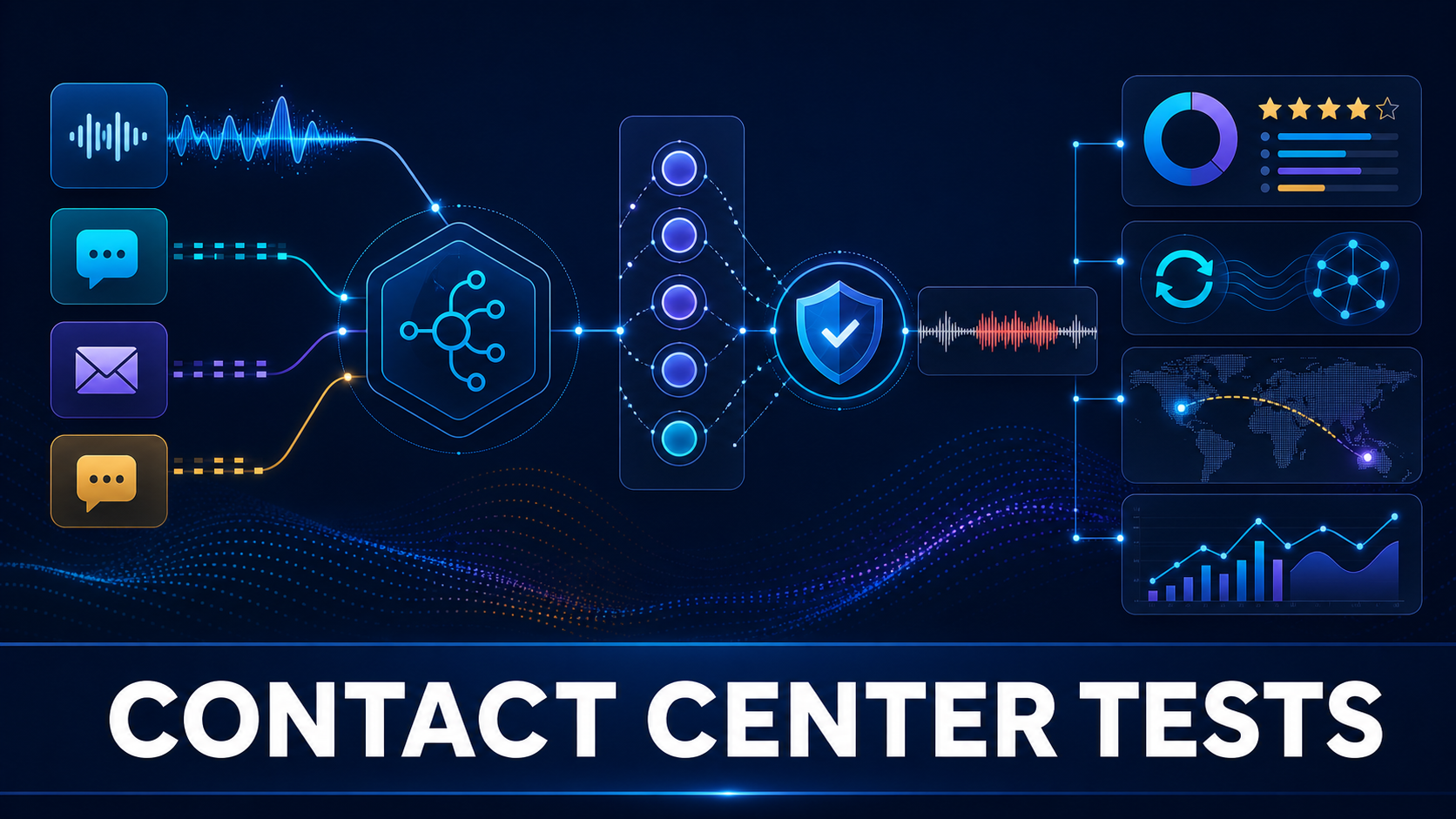
Contact center software combines customer identity, communications, recordings, agent workflows, operational analytics, and often payment or account data. Its quality is determined as much by failure handling and governance as by a smooth agent screen.
Do not test only a short inbound call. Include duplicate contacts, language and accessibility needs, long queues, transfers, callbacks, channel switching, incorrect identity answers, redaction, supervisor escalation, carrier loss, CRM latency, and regional failover.
Prove Channel, Carrier, And Endpoint Coverage
Define voice, IVR, chat, email, messaging, social, video, numbers, carriers, browsers, softphones, devices, codecs, regions, accessibility, and language. The buying brief should name users, workflows, data, integrations, administration, exclusions, assumptions, and the condition that changes the requirement.
Require channel matrix, device and carrier tests, quality percentiles, accessibility review, and regional coverage evidence. A supported-channel badge can hide poor audio, missing features, inaccessible flows, or unsupported regional routing. Preserve the result in the scored demo, security review, implementation plan, contract, and renewal record so acceptance is auditable.
Validate Routing, Queues, Transfers, And Callbacks
Define skills, priority, capacity, schedules, overflow, VIP rules, transfers, conferences, callbacks, abandonment, time zones, concurrency, and fairness. The buying brief should name users, workflows, data, integrations, administration, exclusions, assumptions, and the condition that changes the requirement.
Require synthetic traffic scenarios, route trace, wait and abandonment percentiles, transfer success, callback reconciliation, and rule versioning. Average speed can mask stranded contacts, loops, unfair priority, lost context, and callback duplicates. Preserve the result in the scored demo, security review, implementation plan, contract, and renewal record so acceptance is auditable.
Test Identity, Consent, Recording, And Redaction
Define customer verification, agent authentication, recording notice, consent, pause and resume, payment data, transcript redaction, screen capture, retention, legal hold, deletion, and export. The buying brief should name users, workflows, data, integrations, administration, exclusions, assumptions, and the condition that changes the requirement.
Require allowed and denied scenario matrix, redaction inspection, recording trace, retention expiry, deletion result, and PCI review where applicable. Sensitive authentication or payment data can persist in audio, transcript, screen, analytics, or backup copies. Preserve the result in the scored demo, security review, implementation plan, contract, and renewal record so acceptance is auditable.
Verify Agent Desktop And Workflow Integrity
Define customer context, scripts, knowledge, forms, dispositions, wrap-up, macros, approvals, accessibility, offline state, errors, and duplicate submission. The buying brief should name users, workflows, data, integrations, administration, exclusions, assumptions, and the condition that changes the requirement.
Require task timing, keyboard and accessibility tests, context persistence, idempotency tests, and error recovery. A visually unified desktop may still force re-entry, expose unrelated records, or lose work during channel and system transitions. Preserve the result in the scored demo, security review, implementation plan, contract, and renewal record so acceptance is auditable.
Reconcile CRM, Ticketing, Knowledge, And Automation
Define contacts, cases, tickets, orders, entitlements, knowledge, bots, webhooks, APIs, field ownership, latency, retries, duplicates, and conflict resolution. The buying brief should name users, workflows, data, integrations, administration, exclusions, assumptions, and the condition that changes the requirement.
Require source-to-field map, end-to-end case trace, count reconciliation, latency percentiles, retry and conflict tests. A green connector status does not prove that the right customer, consent, recording, and disposition reached the system of record. Preserve the result in the scored demo, security review, implementation plan, contract, and renewal record so acceptance is auditable.
Prove Quality, Workforce, And Outcome Measurement
Define forecasts, schedules, adherence, evaluations, calibration, coaching, speech analytics, sentiment, containment, first-contact resolution, customer outcomes, bias, and appeals. The buying brief should name users, workflows, data, integrations, administration, exclusions, assumptions, and the condition that changes the requirement.
Require metric definitions, sample reconciliation, evaluator calibration, forecast error, bias review, and outcome validation. Opaque scores can reward short contacts, misclassify accents or languages, and drive harmful staffing or coaching decisions. Preserve the result in the scored demo, security review, implementation plan, contract, and renewal record so acceptance is auditable.
Exercise Security, Abuse, Outage, And Recovery
Define roles, tenant separation, support access, fraud, account takeover, spam, denial of service, carrier loss, region loss, degraded mode, backups, incident response, and audit logs. The buying brief should name users, workflows, data, integrations, administration, exclusions, assumptions, and the condition that changes the requirement.
Require role tests, abuse scenarios, failover exercise, recovery objectives, audit export, secret rotation, and incident tabletop. A contact center can become both a social-engineering target and a single point of customer-service failure. Preserve the result in the scored demo, security review, implementation plan, contract, and renewal record so acceptance is auditable.
Model Capacity, Operations, Portability, And Cost
Define named and concurrent agents, minutes, numbers, recording, transcription, storage, AI features, channels, carrier fees, implementation, integrations, support, renewal, and exit. The buying brief should name users, workflows, data, integrations, administration, exclusions, assumptions, and the condition that changes the requirement.
Require peak-load test, three-year scenarios, operating RACI, contract protections, full export, and replacement rehearsal. Telephony, storage, AI, carrier, and professional-service charges can exceed the apparent per-agent license. Preserve the result in the scored demo, security review, implementation plan, contract, and renewal record so acceptance is auditable.
Review The Platform From First Contact To Auditable Resolution
Prove Routing, Identity, Workflow, And Outcome Quality
Prove Channel, Carrier, And Endpoint Coverage
Confirm voice, IVR, chat, email, messaging, social, video, numbers, carriers, browsers, softphones, devices, codecs, regions, accessibility, and language; retain channel matrix, device and carrier tests, quality percentiles, accessibility review, and regional coverage evidence.
Validate Routing, Queues, Transfers, And Callbacks
Confirm skills, priority, capacity, schedules, overflow, VIP rules, transfers, conferences, callbacks, abandonment, time zones, concurrency, and fairness; retain synthetic traffic scenarios, route trace, wait and abandonment percentiles, transfer success, callback reconciliation, and rule versioning.
Prove Security, Resilience, Portability, And Sustainable Cost
Exercise Security, Abuse, Outage, And Recovery
Confirm roles, tenant separation, support access, fraud, account takeover, spam, denial of service, carrier loss, region loss, degraded mode, backups, incident response, and audit logs; retain role tests, abuse scenarios, failover exercise, recovery objectives, audit export, secret rotation, and incident tabletop.
Model Capacity, Operations, Portability, And Cost
Confirm named and concurrent agents, minutes, numbers, recording, transcription, storage, AI features, channels, carrier fees, implementation, integrations, support, renewal, and exit; retain peak-load test, three-year scenarios, operating RACI, contract protections, full export, and replacement rehearsal.
Contact Center Software Buying Test Scorecard
| Buying area | What to confirm | Why it matters |
|---|---|---|
| Prove Channel, Carrier, And Endpoint Coverage | voice, IVR, chat, email, messaging, social, video, numbers, carriers, browsers, softphones, devices, codecs, regions, accessibility, and language. | A supported-channel badge can hide poor audio, missing features, inaccessible flows, or unsupported regional routing. |
| Validate Routing, Queues, Transfers, And Callbacks | skills, priority, capacity, schedules, overflow, VIP rules, transfers, conferences, callbacks, abandonment, time zones, concurrency, and fairness. | Average speed can mask stranded contacts, loops, unfair priority, lost context, and callback duplicates. |
| Test Identity, Consent, Recording, And Redaction | customer verification, agent authentication, recording notice, consent, pause and resume, payment data, transcript redaction, screen capture, retention, legal hold, deletion, and export. | Sensitive authentication or payment data can persist in audio, transcript, screen, analytics, or backup copies. |
| Verify Agent Desktop And Workflow Integrity | customer context, scripts, knowledge, forms, dispositions, wrap-up, macros, approvals, accessibility, offline state, errors, and duplicate submission. | A visually unified desktop may still force re-entry, expose unrelated records, or lose work during channel and system transitions. |
| Reconcile CRM, Ticketing, Knowledge, And Automation | contacts, cases, tickets, orders, entitlements, knowledge, bots, webhooks, APIs, field ownership, latency, retries, duplicates, and conflict resolution. | A green connector status does not prove that the right customer, consent, recording, and disposition reached the system of record. |
| Prove Quality, Workforce, And Outcome Measurement | forecasts, schedules, adherence, evaluations, calibration, coaching, speech analytics, sentiment, containment, first-contact resolution, customer outcomes, bias, and appeals. | Opaque scores can reward short contacts, misclassify accents or languages, and drive harmful staffing or coaching decisions. |
Questions To Ask Before Approval
- How will the proposal define voice, IVR, chat, email, messaging, social, video, numbers, carriers, browsers, softphones, devices, codecs, regions, accessibility, and language and prove it with channel matrix, device and carrier tests, quality percentiles, accessibility review, and regional coverage evidence?
- How will the proposal define skills, priority, capacity, schedules, overflow, VIP rules, transfers, conferences, callbacks, abandonment, time zones, concurrency, and fairness and prove it with synthetic traffic scenarios, route trace, wait and abandonment percentiles, transfer success, callback reconciliation, and rule versioning?
- How will the proposal define customer verification, agent authentication, recording notice, consent, pause and resume, payment data, transcript redaction, screen capture, retention, legal hold, deletion, and export and prove it with allowed and denied scenario matrix, redaction inspection, recording trace, retention expiry, deletion result, and PCI review where applicable?
- How will the proposal define customer context, scripts, knowledge, forms, dispositions, wrap-up, macros, approvals, accessibility, offline state, errors, and duplicate submission and prove it with task timing, keyboard and accessibility tests, context persistence, idempotency tests, and error recovery?
- How will the proposal define contacts, cases, tickets, orders, entitlements, knowledge, bots, webhooks, APIs, field ownership, latency, retries, duplicates, and conflict resolution and prove it with source-to-field map, end-to-end case trace, count reconciliation, latency percentiles, retry and conflict tests?
- How will the proposal define forecasts, schedules, adherence, evaluations, calibration, coaching, speech analytics, sentiment, containment, first-contact resolution, customer outcomes, bias, and appeals and prove it with metric definitions, sample reconciliation, evaluator calibration, forecast error, bias review, and outcome validation?
- How will the proposal define roles, tenant separation, support access, fraud, account takeover, spam, denial of service, carrier loss, region loss, degraded mode, backups, incident response, and audit logs and prove it with role tests, abuse scenarios, failover exercise, recovery objectives, audit export, secret rotation, and incident tabletop?
- How will the proposal define named and concurrent agents, minutes, numbers, recording, transcription, storage, AI features, channels, carrier fees, implementation, integrations, support, renewal, and exit and prove it with peak-load test, three-year scenarios, operating RACI, contract protections, full export, and replacement rehearsal?
Buying Red Flags
Vendor-wide uptime or average handle time is not evidence for your routes, regions, carriers, and peak load.
Recording controls that ignore transcripts, screen captures, analytics, exports, and backups leave sensitive copies behind.
AI quality scores without explainability, calibration, language testing, and appeal paths should not drive employment decisions.
Source Links
- FTC guide to protecting personal information
- FTC Start with Security guide
- PCI SSC FAQ on audio recordings
- NIST Cybersecurity Framework
FAQ
What is the difference between a call center and a contact center?
A call center is voice-focused; a contact center coordinates voice and digital channels with shared routing, context, workflows, and measurement.
What should a contact center proof of value test?
Test realistic channels, queues, transfers, identity checks, recordings, redaction, CRM sync, accessibility, peak load, carrier loss, regional failure, and export.
How should voice quality be compared?
Measure latency, jitter, packet loss, drop rate, reconnect behavior, and intelligibility across real locations, devices, carriers, and peak periods.
Can calls containing payment data be recorded?
Applicable rules and architecture matter. PCI SSC says sensitive authentication data such as card verification values must not remain recorded after authorization; prevent or securely remove it.
How should AI agent scoring be governed?
Document inputs and definitions, test languages and groups, calibrate humans and models, expose evidence, monitor drift, and provide review and appeal paths.
What data must be portable?
Require recordings, transcripts, messages, dispositions, contact and case links, routing and IVR configurations, quality forms and scores, audit logs, and retention metadata.
Related Software Buyer Guide Guides
- Customer support ticketing software checklist
- Knowledge base software checklist
- CRM software migration checklist
Approve a contact center only when every channel preserves identity, consent, context, recording controls, resolution evidence, and recovery under realistic load.